




Insights
Thoughts, ideas and more…


Request your free brand maximisation™ audit
Share your brand guidelines with us and we’ll show you how you could uncover new untapped potential with the brand you already have


Thoughts, ideas and more…
Share your brand guidelines with us and we’ll show you how you could uncover new untapped potential with the brand you already have
If you have a project in mind please get in touch. We’re always happy to chat.
Request your free brand maximisation™ audit
"*" indicates required fields
Thank you for your message.
A member of our team will be in touch shortly
Experience shows that ‘shoulder season’, the period between high and low peak trading, has a habit of triggering panic, or at least ever-louder rumblings on what marketing can do to help the bottom line. Occupancy and covers soften and internal pressure builds to stop that leaky bucket. All too often, the fastest lever pulled is price but the reality is, once you dive down the price promotion rabbit hole, it’s a long and hard climb back out.
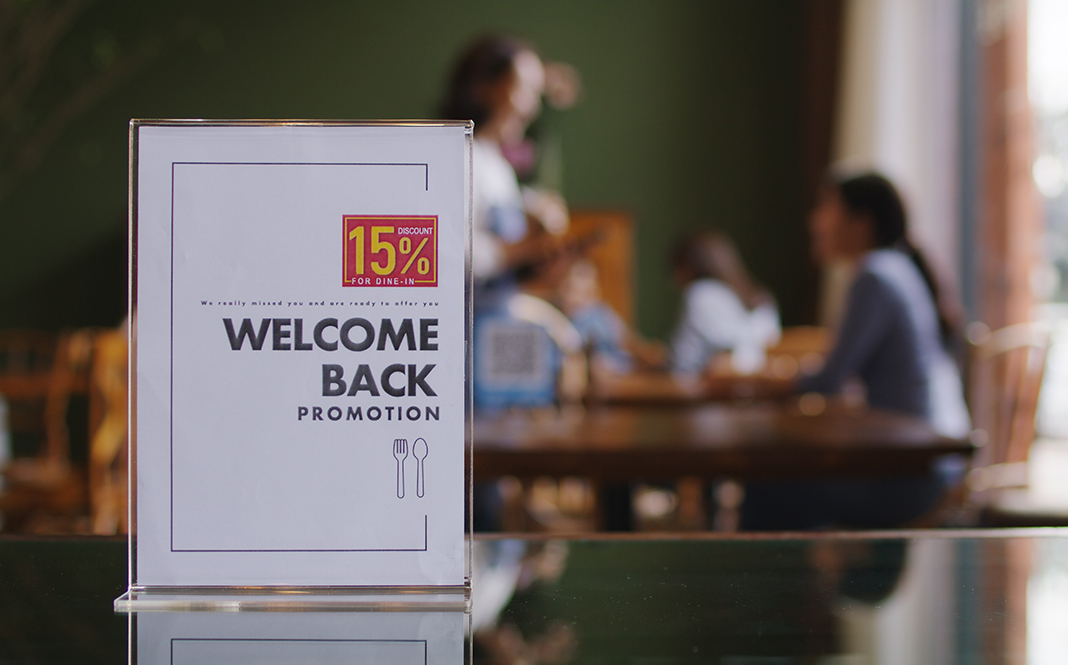
Frequent price reductions send subtle signals. They gently nudge your customer that your product is worth less at certain times, your pricing is flexible and that waiting for offers is rewarded. Over time, this really changes behaviour. Sure, people aren’t robotically thinking “this brand feels weaker” but their perception shifts.
Think about brands you buy. The ones where you always wait for the deal and will never pay the full price for. What do you genuinely feel for those brands? Is it much beyond price based? I’d bet not. For hospitality businesses built on experience, atmosphere and service, that erosion really matters. The value exchange is lowered in the eyes of the customer. Why should you pay full price for something when you know you can bide your time and get it cheaper?
Without a long-term brand building running alongside performance activity, brand often becomes defined by promotion rather than its genuine brand benefits. It forgets its value proposition and its product promises to customers.
The most resilient hospitality brands understand this balance. Short-term performance should never undermine long-term positioning. Demand generation and brand equity working parallel is at the heart of every smart marketing strategy. Discounting can absolutely be part of a plan but it rarely should be the strategy. This really requires discipline, insight, often deeper pockets and crucially, time to plan effectively.
Teams need to stop asking themselves (and often more challengingly, educate within the business) that it’s not how they fill rooms or get bums on seats quickly but how they can create a genuine demand and communicate their differentiation without reducing the value the brand they’ve worked so hard to build.
Out of peak travel is often driven by different needs. The same customer may desire action packed family adventure in summer holidays but quiet wellness with friends during spring. The guest profile may look similar on paper but their intent often isn’t. Great questions to start with is to ask who is travelling now and why, what need state is emerging and what emotional driver is strongest. Building a strong picture of your audience motivations will enable you to build a campaign on behavioural understanding.
The best narratives will be the ones build on insight but it’s clear that without peak-season pressure, out of peak periods can offer something valuable: space. Instead of selling cheap deals, hospitality brands can sell a variety of benefits: discovery without crowds of tourists, stillness, exclusivity, room choice, personal attention. Quieter periods can be framed as a positive. The point here is that when you shift the narrative from price to an experience benefit that speaks to your audience, you’re supporting long-term storytelling and building both preference and pricing power.
This is a hard one to resist and we get it, we love creative too. Often, teams jump straight to concepts and channels without interrogating the research and audience properly. It can be especially tempting if a creative idea worked in the past. Or if the CEO loved it. Remember, creative should never be the starting point. Rather, think in this process: audience insight, behavioural understanding, narrative and creative development. And yes, that’s why marketing teams need time!
Beyond occupancy or covers, think about tracking metrics such as brand awareness, consideration, repeat booking intent and brand attribute scores. These show whether campaigns are strengthening brand equity and not just filling rooms or tables. By demonstrating signals of long-term brand uplift discounting will become even less important in the future and who knows, that leaky bucket might even get fixed.
Looking for a partner to drive sales? Get in touch.